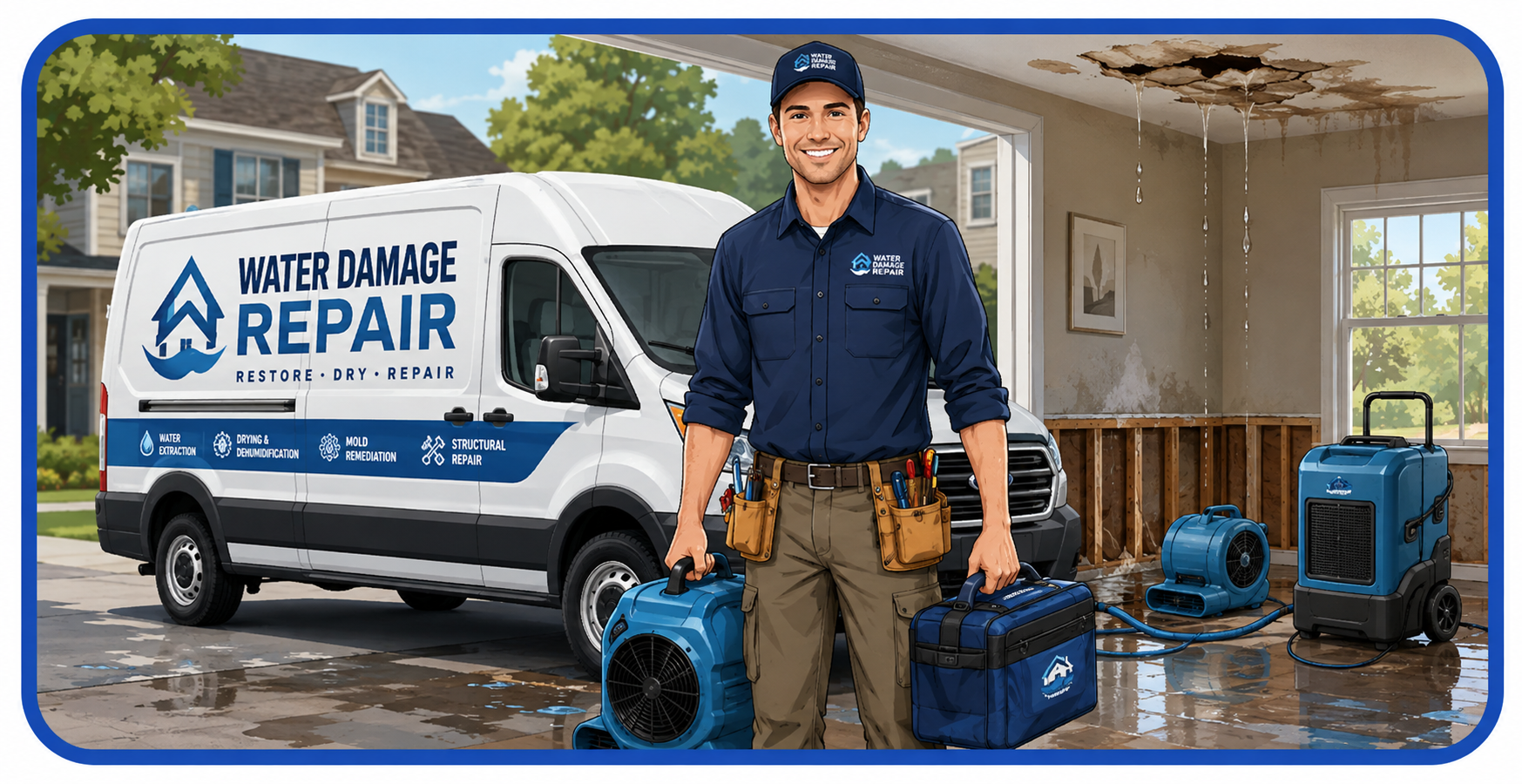
The creek came over its banks overnight and pushed a foot of brown water through the ground floor. Now it is gone, but it left silt on the floors, a waterline on the walls, and a smell that tells you this is not clean water. Floodwater cleanup is a contamination job first and a drying job second.
One free call connects you with an independent local specialist. Areas served include zip codes 19154 19151 19150 19153 19152 19102 19103 19106 19107 19104 19108 19109 19128 19129 19120 19121 19122 19123 19124 19125 19126 19127 19112 19111 19115 19114 19116 19119 19118 19148 19149 19146 19147 19144 19145 19142 19143 19140 19141 19139 19138 19137 19136 19135 19134 19133 19132 19131 19130 19019 19092 19093 19099 19101 19105 19110 19155 19160 19161 19162 19170 19171 19172 19173 19175 19176 19177 19178 19179 19181 19182 19183 19184 19185 19187 19188 19190 19191 19192 19193 19194 19195 19196 19197 19244 19255.

We are a referral line, not a contractor. Calls are routed to independent local pros around Philadelphia who handle Category 3 floodwater safely and document every step for your flood claim.
Expect full PPE and hospital-grade disinfectants, because floodwater carries sewage, fuel, and bacteria.
Standard homeowners policies usually exclude outside flooding, so the claim often goes through a separate flood policy. Contractors measure and photograph the flood line and itemize removed materials to support it.
After big floods, storm chasers appear. Ask any contractor for license and insurance proof before work starts.
You get a written estimate for muck-out, removal, sanitizing, and drying before work begins.

Flood cleanup is heavier work than a pipe leak. Mud has to be shoveled, porous materials below the waterline usually come out, and every surface gets cleaned and disinfected before drying even starts.

Crews shovel and squeegee silt off floors, haul debris to a dumpster, and pressure wash hard surfaces so nothing contaminated is left behind.
Contaminated drywall and insulation come out above the flood line to catch water that wicked upward.
Framing, slabs, and any salvaged surfaces are scrubbed and treated with EPA-registered antimicrobial products to kill bacteria and slow mold growth.
Once the building is cleaned out, air movers and dehumidifiers run until framing and slab readings show the structure is dry enough to rebuild.
Porous items like mattresses, upholstered furniture, and stuffed toys that sat in floodwater usually cannot be saved. Hard items can often be cleaned. Contractors help sort and document both for your claim.
Call +1-877-637-9008 and say how high the water got, whether it has receded, and if the power is off. That helps route you to a pro equipped for floodwater.
A local contractor calls with an arrival estimate. After regional flooding, demand is high, and they will be honest about timing.
Expect a safety check, flood line measurements, and a written estimate before work begins.
The home is cleaned out, sanitized, and dried, leaving it ready for rebuilding.
Contaminated materials need to come out fast.
We had about fourteen inches through the whole first floor. The crew shoveled out the mud, cut the drywall at three feet, and sprayed everything before setting up fans.
Paul and Dee A.River flooding, first floorThey measured and photographed the flood line in every room. My flood adjuster said it was the cleanest file he had seen all week.
Imani C.Flash flood, flood insurance claimI wanted to keep the couch. The contractor explained why floodwater makes that a bad idea and helped me list everything for the claim.
Rob G.Flood-damaged contentsAfter the flood, strangers were knocking on doors. This pro was local, licensed, and wrote the price down before starting.
Teresa M.Post-storm flood cleanup

It can be. Outside floodwater is Category 3 and may carry sewage, chemicals, and bacteria. If you clean any of it, wear boots, gloves, eye protection, and a respirator, and keep children away.
Usually not under a standard policy. Flood coverage typically requires a separate flood insurance policy, so talk to your agent.
Typically one to two feet above the water mark to catch wicking. Deeper floods may require full-height removal.
Hard furniture may survive with cleaning. Soft and porous items usually need to be discarded.
As soon as the water recedes and it is safe to enter. Mold can start within 24 to 48 hours, and contaminated materials get worse the longer they sit.
No. We connect you with an independent local pro. Verify their license and insurance before any work starts.

Calls from Philadelphia and zip codes such as 19154 19151 19150 19153 19152 19102 19103 19106 19107 19104 19108 19109 19128 19129 19120 19121 19122 19123 19124 19125 19126 19127 19112 19111 19115 19114 19116 19119 19118 19148 19149 19146 19147 19144 19145 19142 19143 19140 19141 19139 19138 19137 19136 19135 19134 19133 19132 19131 19130 19019 19092 19093 19099 19101 19105 19110 19155 19160 19161 19162 19170 19171 19172 19173 19175 19176 19177 19178 19179 19181 19182 19183 19184 19185 19187 19188 19190 19191 19192 19193 19194 19195 19196 19197 19244 19255 are routed to flood cleanup pros working locally.
See nearby cities below. After major floods, you will get an honest estimate of how soon help can arrive.